
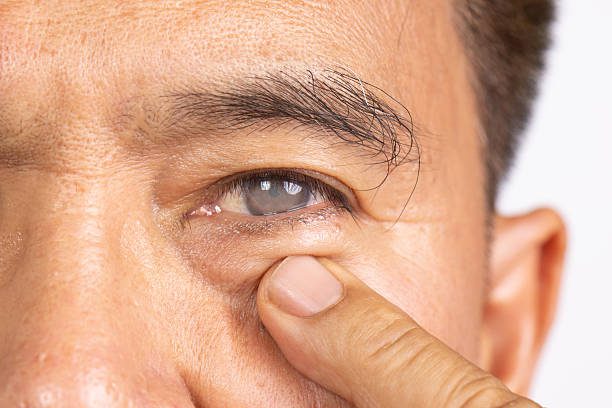
Glaucoma
What is Glaucoma?
Glaucoma is a group of eye diseases that can damage the optic nerve, the structure responsible for carrying visual information from the retina to the brain. In many cases, this damage occurs when pressure inside the eye becomes too high.
The eye naturally produces fluid that helps nourish its internal structures. When this fluid cannot drain properly—or is produced faster than it can drain—pressure can build up within the eye. Over time, elevated eye pressure may injure the optic nerve, leading to irreversible vision loss.
At The Wright Eye Center, our experienced eye care providers offer comprehensive glaucoma screenings, diagnosis, and treatment options for patients throughout Colorado Springs.
Symptoms of Glaucoma
Glaucoma is often referred to as the “silent thief of sight” because the most common form, open-angle glaucoma, typically develops without noticeable symptoms in its early stages. Many people are unaware they have glaucoma until permanent vision loss has already occurred.
Because damage caused by glaucoma cannot be reversed, early detection is essential for preserving vision.
Symptoms of Later Stage Open – Angle Glaucoma
- Mild headaches
- Difficulty seeing at night
- Blind spots in peripheral vision
- Progressive tunnel vision
Symptoms of Angle Closure Glaucoma
Angle-closure glaucoma causes a rapid rise in eye pressure and requires immediate medical attention. Without prompt treatment, vision loss can occur quickly.
- Sudden blurred vision
- Intense eye pain
- Nausea or vomiting
- Seeing halos around lights
- Severe headache
Types of Glaucoma
Open-Angle Glaucoma (Most Common)
This form of glaucoma occurs when the eye’s drainage system becomes less effective over time. Fluid accumulates, causing eye pressure to gradually increase and damage the optic nerve.
Angle-Closure Glaucoma
In this type, the iris blocks the drainage angle of the eye, preventing fluid from draining properly. The resulting pressure increase can happen suddenly and requires emergency treatment.
Congenital Glaucoma
Congenital glaucoma is present at birth and occurs when the eye’s drainage system does not develop correctly, leading to increased eye pressure in infants and children.
Secondary Glaucoma
Secondary glaucoma develops as a result of another condition, such as an eye injury, previous eye surgery, certain medications, or other eye diseases.
Risk Factors for Glaucoma
While glaucoma can affect individuals of any age, the likelihood of developing the condition increases significantly after age 60.
Additional risk factors include:
- A family history of glaucoma
- Diabetes, cardiovascular disease, or high blood pressure
- Previous eye injuries or trauma
- Certain eye conditions, such as thin corneas or retinal disorders
- Ethnicity, including African American, Hispanic, Asian, Japanese, and Native Alaskan populations
- Elevated intraocular (eye) pressure
Although glaucoma-related vision loss is permanent, early diagnosis and treatment can often prevent significant damage. Regular eye exams are especially important for individuals with these risk factors.
Glaucoma Detection
Glaucoma is often discovered during a routine comprehensive eye exam, even before symptoms appear. During the evaluation, your eye doctor will measure the pressure inside your eyes and examine the drainage angle to assess how fluid is flowing through the eye.
Advanced diagnostic tools may also be used to evaluate the health of the optic nerve and detect early signs of glaucoma-related damage.
Even if your vision seems normal, routine eye examinations play a critical role in identifying glaucoma and other eye conditions before they cause permanent harm. If you are over 60, have a family history of glaucoma, or have concerns about your eye health, scheduling regular eye exams is one of the best ways to protect your vision.