
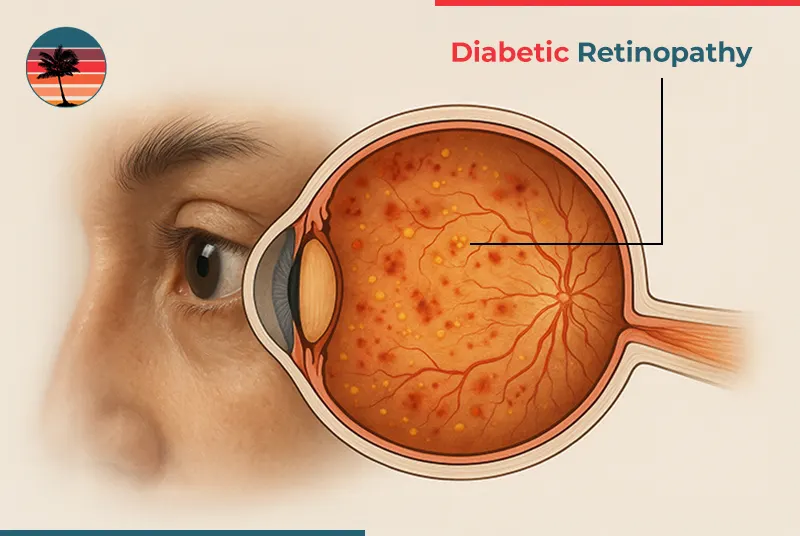
What is Diabetic Retinopathy?
Individuals with Type 1 or Type 2 diabetes have an increased risk of developing eye diseases, including diabetic retinopathy. This condition is one of the most common diabetes-related eye complications and can lead to significant vision loss or even blindness if left untreated.
Diabetic retinopathy occurs when diabetes damages the small blood vessels within the retina, the light-sensitive tissue located at the back of the eye. As these blood vessels weaken, they may leak blood or fluid into the retinal tissue. Because the retina plays a critical role in transmitting visual information to the brain, damage to this area can result in changes to vision and, in advanced cases, permanent vision impairment.
Stages of Diabetic Retinopathy
In the early stages of diabetic retinopathy, tiny blood vessels in the retina may begin to swell and leak fluid. As the disease progresses, some of these vessels can become blocked, restricting normal blood flow to the retina.
To compensate for the reduced circulation, the eye may begin forming new blood vessels along the surface of the retina. Unfortunately, these abnormal vessels are fragile and prone to leaking. They do not provide adequate blood supply and can lead to bleeding, scar tissue formation, and further vision complications.
Symptoms of Diabetic Retinopathy
Diabetic retinopathy often develops gradually and may not cause noticeable symptoms in its earliest stages. For many patients, vision changes do not occur until the disease has progressed significantly.
Because early detection is key to preserving vision, regular diabetic eye exams are extremely important.
If you have diabetes and experience any of the following symptoms, contact our office promptly:
- Dark spots in your vision
- Floaters or thread-like shapes drifting across your sight
- Blurred visionPartial vision loss
- Changes in color perception
Treatment for Diabetic Retinopathy
Not every case of diabetic retinopathy requires immediate treatment. However, when the condition begins to affect vision or shows signs of progression, intervention may be recommended. Treatment options are based on the severity of the disease and may include:
Laser Treatment
Laser therapy can be used to seal leaking blood vessels, reduce fluid accumulation, and shrink abnormal blood vessels that develop within the retina.
Vitrectomy
A vitrectomy is a surgical procedure that removes blood, scar tissue, and damaged vitreous gel from the inside of the eye to help restore and preserve vision.
Medications
Certain medications, including steroid injections and anti-VEGF therapies, may be used to reduce swelling and help prevent the growth of abnormal blood vessels.
In addition to medical treatment, maintaining healthy blood sugar levels through regular exercise, a balanced diet, and proper diabetes management can help lower the risk of developing or experiencing a recurrence of diabetic retinopathy.
All individuals with diabetes should receive routine comprehensive eye exams to monitor for diabetic retinopathy and other serious eye conditions. Contact us today to schedule your diabetic eye exam.